Have you ever been in the perilous landscape of gift-buying, standing before a sea of generic scented candles and novelty mugs, realizing that every item feels like it was purchased from the same beige department store shelf? We’ve all been there. The struggle is real: how do you find something that screams, "I see you! I know about your niche interest in 18th-century clock repair and competitive dog grooming?" The effort required to move past generic pleasantries and truly hit a sweet spot of hyper-specific thoughtfulness can feel overwhelming.

The good news is that gifting doesn't have to be an act of divination. While the question "when should I plan gifts that cater to specific hobbies?" feels complicated, the answer boils down to anticipation and observation. Planning ahead allows you to move from guessing games to genuine connections, making the recipient feel seen in a way a store-bought gift simply cannot achieve.
The Ideal Timing: Moving Beyond Holidays
While Christmas and birthdays are the obvious anchors for gift planning, relying solely on these dates is like only planting seeds when the annual harvest festival arrives—you miss out on crucial growing seasons. The ideal time to start planning is generally defined by two factors: the relationship maturity and the hobby’s seasonality.
For deeply important relationships (partners, best friends), you should begin gathering intelligence about their hobbies 6–8 weeks prior to any major event. This window gives you enough buffer time to research specialized items or book unique experiences. For newer friendships or acquaintances, a two-to-four-week lead time is usually sufficient, as these gifts tend to be smaller and less involved.
Consider this: if your friend loves astronomy, waiting until the winter solstice (when meteor showers peak) is great for an experience, but if you wait until the actual event date to figure out a gift, you’ve wasted valuable planning time. Start when the interest is high, not just when the calendar demands it.
Becoming a Gift Detective: Gathering Hobby Intelligence
The most crucial step in answering "when should I plan gifts that cater to specific hobbies?" isn't about the calendar; it's about your detective skills. You need to become an amateur ethnographer—someone who studies people and cultures. This requires gentle, active listening.
Don't interrogate them! Instead, weave curiosity into conversations naturally. If they mention their passion for miniature painting, don't ask, "What do you paint?" Ask something open-ended like, "What’s the most Personalised Mug satisfying part about that hobby? Is it the detail work, or is it the finished piece itself?"
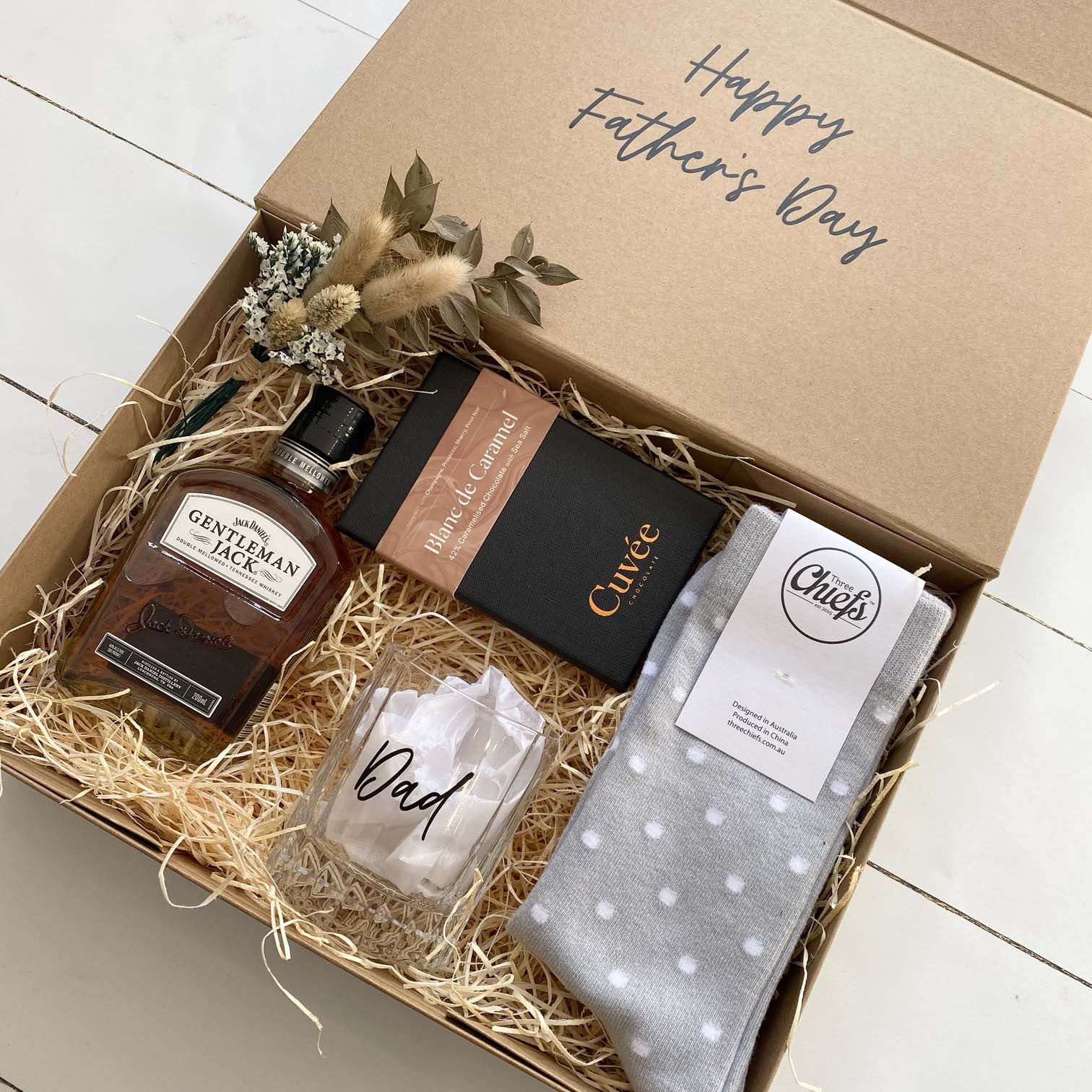
A truly great gift often comes not from what the person says they love, but what they talk about with passionate exasperation. They complain about a specific tool breaking, or mention how difficult a certain material is to source. Those complaints are golden nuggets of information!
"The best gifts come from noticing the small things—the worn-out tools, the half-finished projects, the items that hint at a deeper passion." — This sentiment perfectly captures the spirit of thoughtful giving.
- Listen for Pain Points: What equipment is old or failing? Notice Accumulation: Are there specialty books, threads, or raw materials gathering dust in their home? Observe Their Tools: The tools they use regularly often reveal more than the finished product does.
Elevating Gifts: Experiences Over Objects
Many people assume that a gift must be an object—a beautiful gadget, a piece of art, or a book. While tangible items are wonderful, the most memorable and deeply appreciated gifts catering to specific hobbies are often experiences. These aren't just "doing things together"; they are structured opportunities for them to deepen their passion.
If your loved one enjoys baking, instead of buying an expensive stand mixer (which might already be adequate), plan a ticket to a specialized pastry workshop. If they love hiking, don't buy socks; book them a guided trail hike in a local area they’ve always wanted to explore.
These types of gifts are fantastic because they require minimal guesswork regarding if the recipient will use them. They guarantee an immediate moment of joy and often provide new skills or perspectives—a gift that keeps giving long after the ribbon is cut.
Tailoring the Gift to Life Milestones, Not Just Holidays
Sometimes the timing isn't about a specific date; it’s about a life transition. The start of a new job, moving to a new city, finishing a major project, or even just surviving a particularly chaotic quarter are all milestones that deserve acknowledgment. When considering these events, remember that the gift should act as an anchor—a reminder of support and appreciation for the person during a period of change.
For instance, if they move into a new apartment while pursuing pottery, a thoughtful set of specialized studio tools (rather than just decorative knick-knacks) is far more valuable than generic housewares. Planning gifts that cater to specific hobbies around these life changes shows deep empathy and forethought. Have you ever received a gift that felt completely irrelevant? It’s usually because the giver focused on what was available rather than who needed it at that moment in their journey?
Nurturing the Hobby Spirit After the Gift is Given
The best part of giving a hobby-specific gift isn't the unboxing; it's watching the recipient use it and thrive. The goal shouldn’t be simply to buy happiness, but to facilitate an environment where they can continue their passion without financial burden or logistical hassle. This means sometimes pairing the initial gift with small, low-cost resources over time—a local vendor discount code, a curated playlist of background music for painting, or articles on advanced techniques.
As one expert in thoughtful gifting once noted, "A truly perfect gift is not an object; it’s permission to continue being oneself." Giving this "permission" requires planning and acute observation. Planning gifts that cater to specific hobbies isn't a chore; it's an act Cheese Board Set of deep relationship maintenance.
Continuing the Conversation: Building Your Gift Intelligence Network
If you want to perfect your gift-giving rhythm, start building a dedicated "Intelligence File" for your key loved ones. This file shouldn't just contain addresses and birthdays; it should house notes on their current projects, books they are recommending, recent frustrations with equipment, or even niche blogs they follow.
Regularly reviewing this file—maybe every quarter—will ensure that when the next milestone arrives, you aren't starting from scratch. You’ve established a rhythm of observation and connection. By adopting this proactive approach to understanding their passions, your thoughtful gifts will always feel perfectly timed, making them not just presents, but true extensions of who they are. Take these notes with you; they are the blueprints for genuine connection.