Scientists are renowned for their meticulous nature, but when it comes to choosing a chocolate hamper, their standards can be surprisingly indulgent. This article dives into the world of chocolate hampers tailored for Australian scientists, answering the burning question: What is the best chocolate hamper for a scientist in Australia? We’ll explore why chocolate appeals to the scientific mind, the key features of a top‑notch hamper, and highlight the finest options available down under.
Why Scientists Love Chocolate (and Hamper Logic)
Chocolate isn’t just a treat; it’s a laboratory of flavors and textures that tickles the same curiosity that drives a researcher. Picture a scientist in a lab coat, whisking through data, suddenly pausing to taste a piece of dark chocolate. The chemical compounds—flavonoids, theobromine, and a splash of caffeine—provide a quick energy boost, a mood lift, and a moment of sensory data that can be quantified in the mind’s eye.
Anecdote: Last year, Dr. Emily Carter, a biochemist from Melbourne, swore she could solve a protein folding puzzle faster after a bite of a truffle‑infused chocolate bar. “It’s like the chocolate whispered the answer,” she joked, a metaphor that captures the almost alchemical bond between chocolate and discovery.
**Rhetorical question : Have you ever wondered why a scientist might prefer dark chocolate over milk? The answer lies in the antioxidants and lower sugar content—both friendly to the brain and the body.
> “Chocolate is a science of its own, a sweet experiment that delights the senses.” – Anonymous
The Science of Chocolate
Chocolate is a complex mixture of cacao solids, cocoa butter, sugar, and Click here for info sometimes milk or nuts. The proportions dictate the flavor profile and the health benefits. Dark chocolate, with a higher cacao percentage, offers more flavonoids, which can improve blood flow—an essential factor for a scientist who spends hours hunched over a microscope.
Chocolate Preferences of Scientists
While individual tastes vary, many scientists lean toward premium dark chocolate because it satisfies the palate without the sugar crash. Some even prefer chocolate that includes exotic ingredients like sea salt, chili, or unique fruit infusions—elements that echo the adventurous spirit of research.
Key Features to Look for in a Chocolate Hamper
Choosing the right hamper is akin to selecting the perfect reagent: the right purity, the right concentration, and the right packaging.
Quality of Chocolate
- Cacao percentage : Look for at least 70% cacao for a robust flavor. Sourcing : Fair‑trade or single‑origin cacao ensures ethical production and distinct taste notes.
Variety and Innovation
A good hamper offers a spectrum of flavors—classic dark, milk, white, and experimental blends—to keep the palate intrigued.
Presentation and Packaging
The hamper should be visually appealing, with sturdy boxes and clear labeling. A well‑designed hamper reflects the care and precision a scientist appreciates.
Local Australian Touch
Incorporating Australian ingredients—such as Macadamia nuts, Tasmanian pepperberry, or local honey—adds a regional flair that celebrates home-grown excellence.
Top Australian Chocolate Hamper Options
Below are three standout hampers that embody quality, variety, and a dash of local pride.
Hamper A: The Classic Australian Cocoa Collection
This hamper features a curated selection of 12 chocolate bars from leading Australian chocolatiers. Each bar showcases a different cacao profile, from silky milk to bold dark. The packaging is minimalist yet elegant, perfect for a scientist who values clean aesthetics.
Hamper B: The Gourmet Lab Kit
Designed with the research mind in mind, this hamper includes chocolate-infused “lab tools”: a chocolate‑shaped magnifying glass, a chocolate‑wrapped lab notebook, and a set of chocolate‑themed pens. It’s playful, yet the chocolate Local chocolate brands bars themselves are top‑grade, sourced from sustainable farms.
Hamper C: The Sustainable Science Chocolate Box
For the eco‑conscious researcher, this hamper offers organic, fair‑trade chocolate bars, each wrapped in recyclable packaging. The assortment includes a unique sea‑salt‑dark chocolate that pairs perfectly with a mid‑lab coffee break.
How to Choose the Right Hamper for Your Colleague
Selecting a hamper isn’t just about picking the tastiest chocolate; it’s about tailoring the gift to the recipient’s personality and professional focus.
Consider Their Research Field
- Biochemists : Prefer dark chocolate with high antioxidant content. Chemists : May enjoy chocolate that mirrors laboratory aesthetics—perhaps a bar shaped like a beaker. Physicists**: Might appreciate a minimalist design with a focus on pure cacao.
Budget and Availability
Australian chocolate hampers vary from budget‑friendly options (~$50) to luxury collections exceeding $200. Check local retailers or online platforms for seasonal deals.
Personal Touch: Add a Custom Note
A handwritten note that references a recent breakthrough or a shared joke can elevate the gift from a simple hamper to a memorable token of appreciation.
Making Your Selection Count
Choosing the best chocolate hamper for a scientist in Australia is a blend of science, taste, and thoughtful presentation. By focusing on quality, variety, and local flavor, you can deliver a gift that satisfies both the palate and the intellect.
Remember, a chocolate hamper is more than confectionery—it’s a small experiment in appreciation that can spark joy, inspire creativity, and perhaps even fuel the next big discovery.
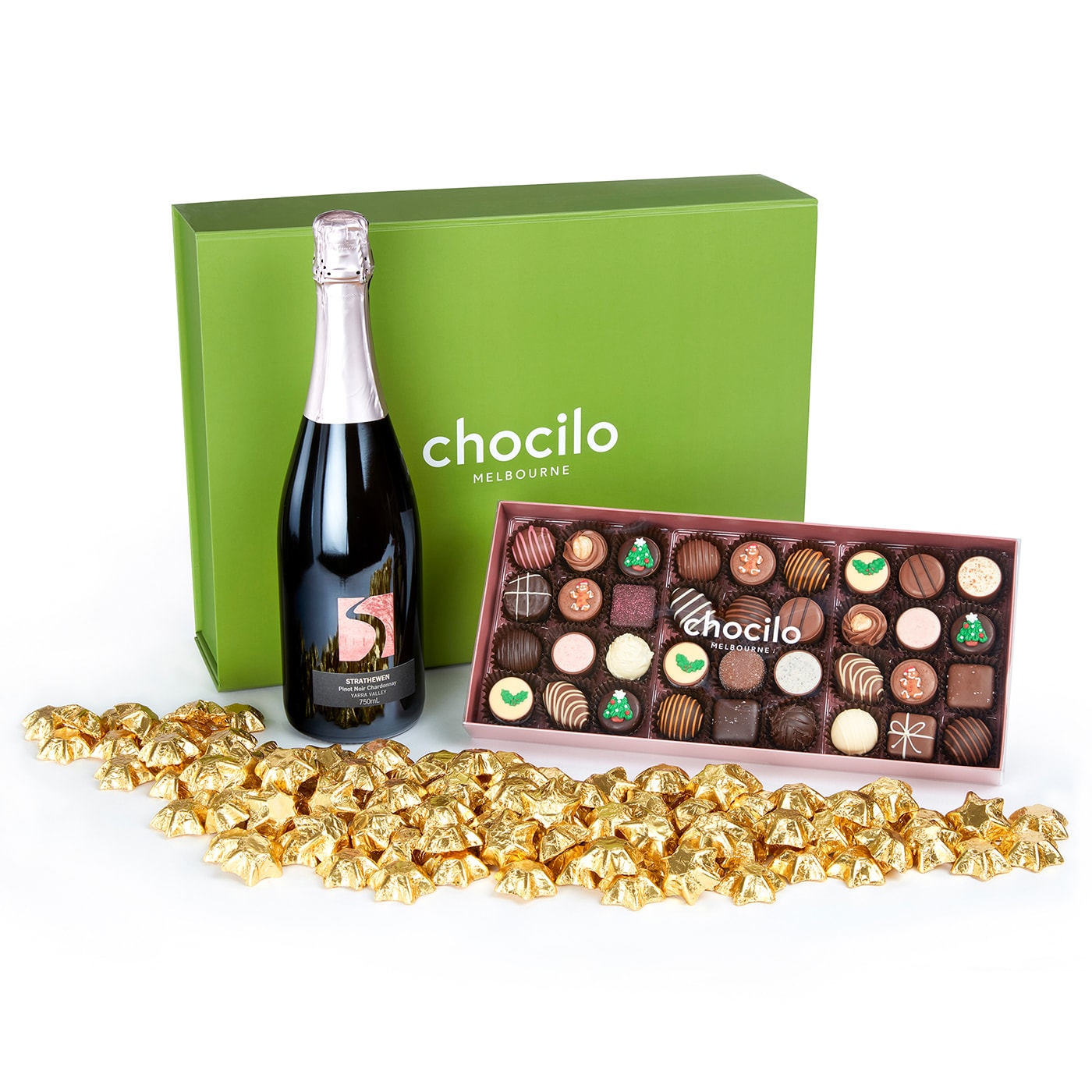
So, next time you’re looking to reward a brilliant mind, consider the options above and let the chocolate do the talking. Happy gifting!